About Energy Studies Institute
The Energy Studies Institute (ESI) seeks to advance the understanding of energy issues
by conducting independent research and analyses.
HIGHLIGHTS
.jpg?Status=Master&sfvrsn=e6a811e5_1)
Singapore International Energy Week 2026

Strengthening ASEAN’s Energy Security and Regional Economic Resilience
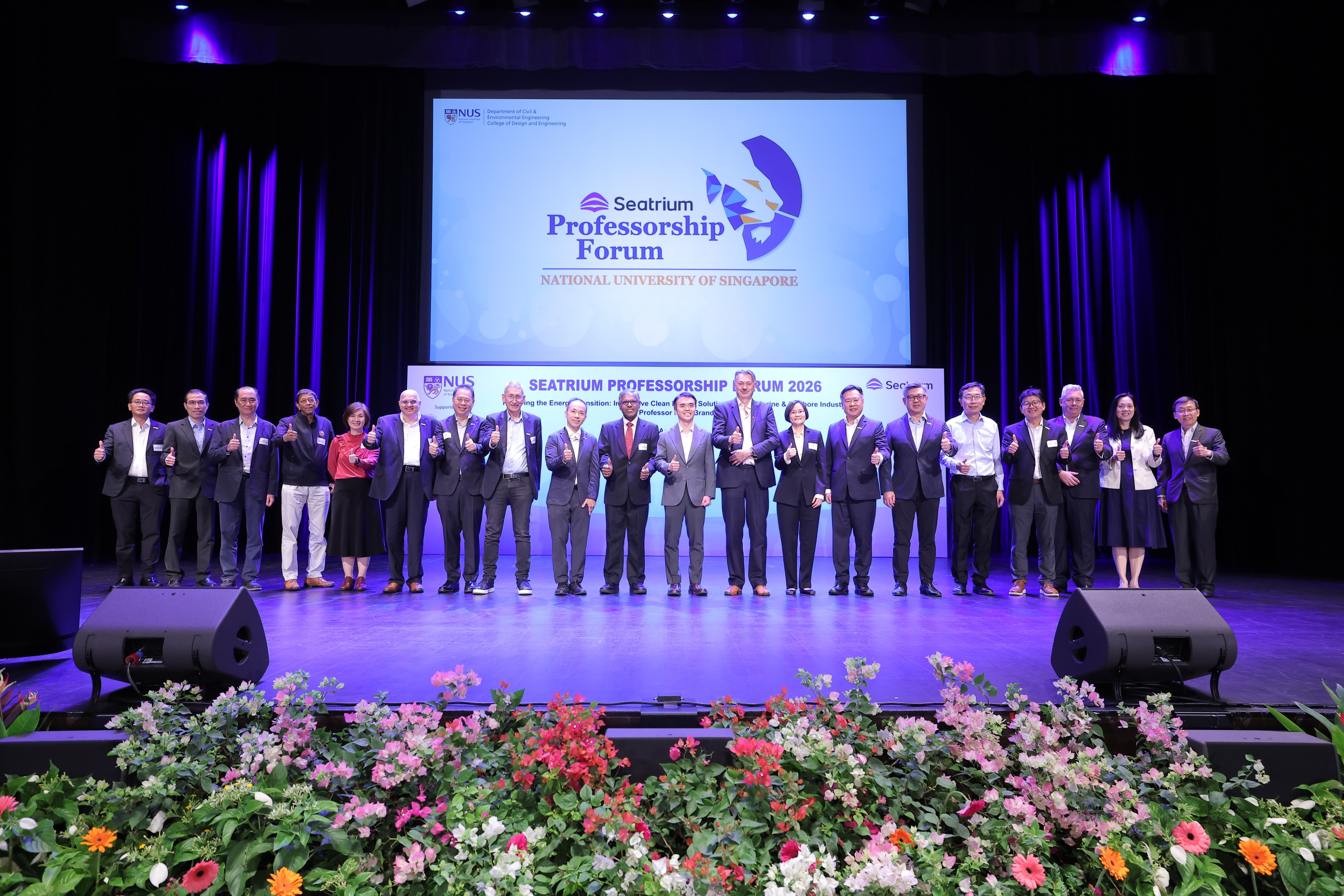
Powering the Energy Transition: Innovative Clean Energy Solutions for the Marine & Offshore Industry
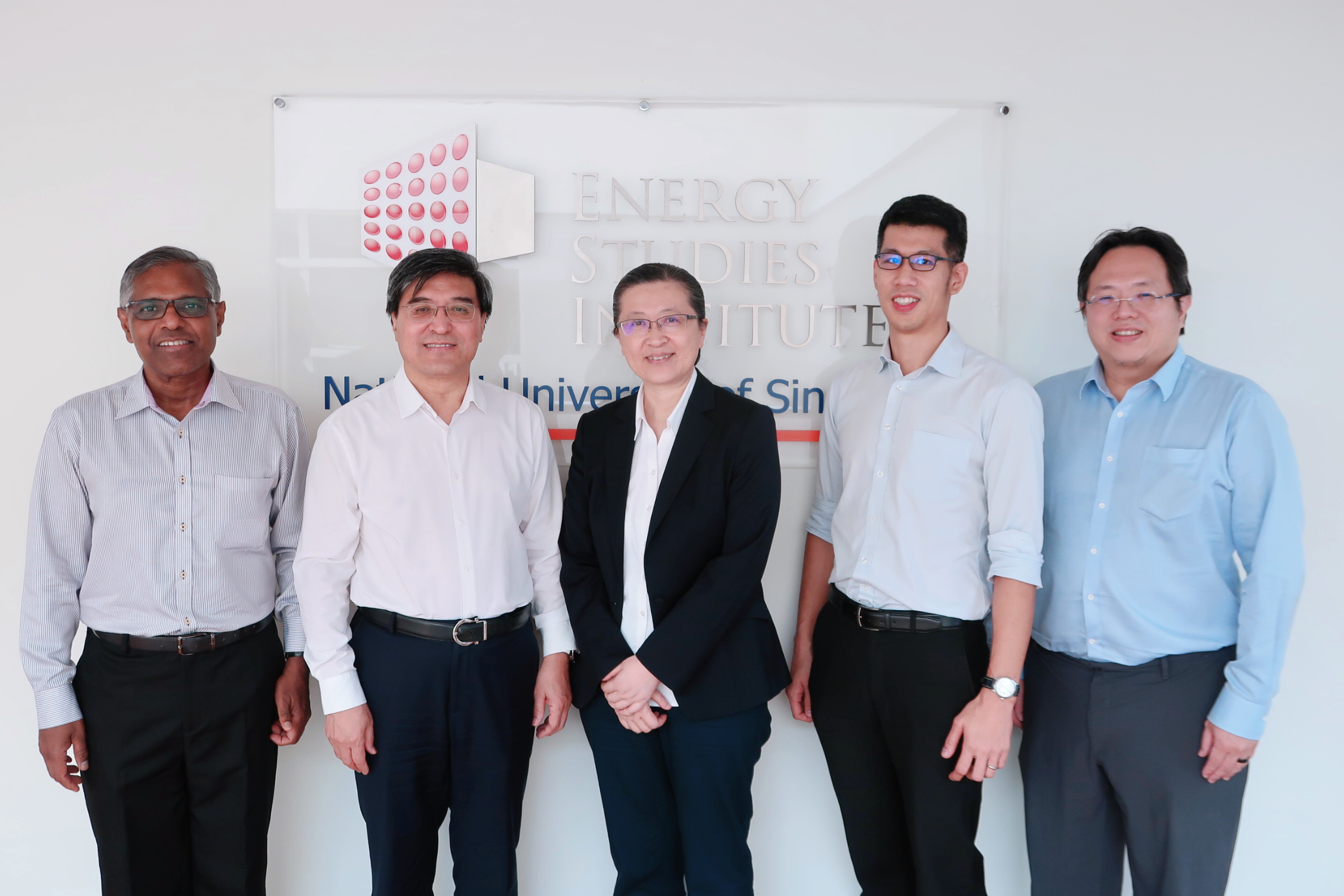
Inaugural kick-off meeting of the NUS-Tsinghua-NRF NetZeroAsia project
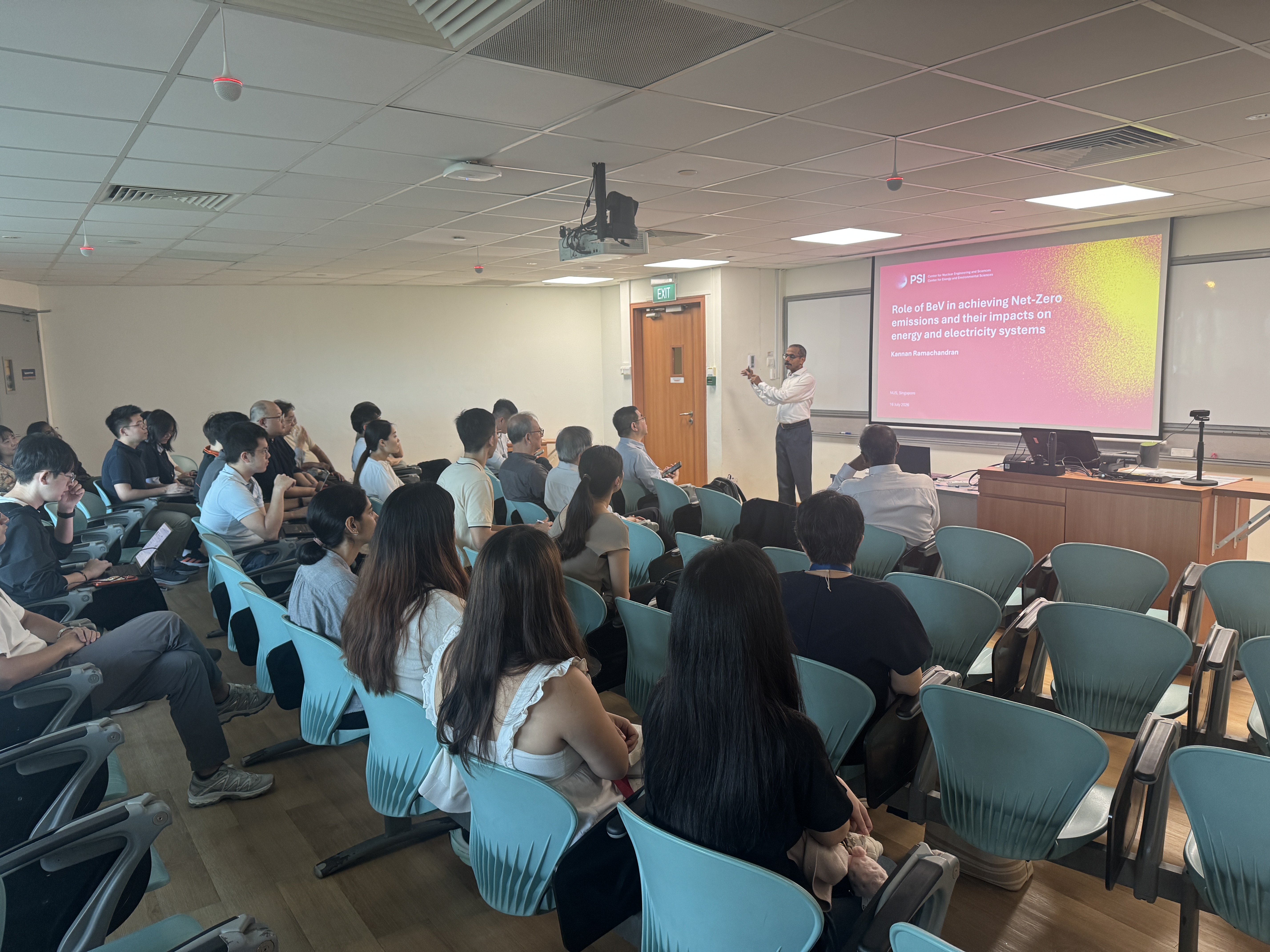
Role of BEVs in achieving Net-Zero emissions and their impacts on energy and electricity systems
-in-indonesia.jpg?Status=Master&sfvrsn=c518707f_1)
UN ESCAP Inception Workshop on Energy Transition for Green Growth and Prosperity (ETGGP) in Indonesia
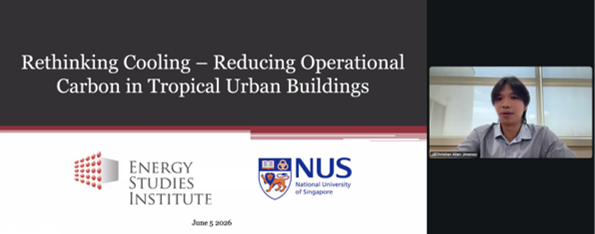
ESI Researchers Featured at International EEAP Webinar on Sustainable Cooling and Data Centre Resource Efficiency
Ms Lalitha Ravi and Mr Christian Allen E. Jimenez from the Energy Studies Institute (ESI), National University of Singapore, recently presented at the Energy Evaluation Asia Pacific (EEAP) Webinar #27, titled "Evaluating Resource Efficiency in Urban Energy Systems: Cooling Buildings and Data Centres".
The webinar brought together policymakers, researchers, and energy professionals from across the Asia-Pacific region to discuss emerging challenges and opportunities in sustainable cooling and resource-efficient urban infrastructure.
Lalitha Ravi, Research Associate at ESI, presented on "Water Implications of Energy-Efficient Data Centre Design". Her presentation explored the growing water footprint of data centres in the age of artificial intelligence (AI), highlighting the relationship between cooling technologies, energy efficiency, and water consumption. The session discussed emerging cooling technologies, data centre efficiency metrics, and strategies for reducing water use while maintaining operational reliability in rapidly expanding digital infrastructure.
Christian Allen E. Jimenez, Research Assistant at ESI, delivered a presentation on "Rethinking Cooling - Reducing Operational Carbon in Urban Buildings". His presentation examined how tropical cities can reduce cooling-related carbon emissions through a combination of passive design strategies, occupant-centric comfort approaches, district cooling systems, and intelligent building operations. The session highlighted the importance of reducing cooling demand before supplying cooling, while demonstrating how integrated cooling solutions can support low-carbon urban development.
Together, the presentations showcased ESI's ongoing research contributions in sustainable cooling, building energy performance, data centre sustainability, and the management of energy-water trade-offs in urban and digital infrastructure. The webinar highlighted the importance of adopting a systems-based approach that considers cooling demand, operational efficiency, water use, and infrastructure resilience in supporting the transition towards more sustainable and resource-conscious cities.